The Silent Brand Killers: Inconsistency, Confusion, and Trying to Appeal to Everyone
When a brand has a good logo, a great product, social media for years, and the impact still somehow just doesn’t seem right, it can be so in the background that you wouldn’t notice it.
One branding mistake that should ring alarm bells: Inconsistent, Confusing & For Everyone. However, a brand strategy has solutions for each of these.
Inconsistency: How Small Slips Erode Trust
Consistency is defined as a property of a system of points of contact in which same character is implied at all points of contact. The consumer has to know the same character at each point of contact.
Where Inconsistency Creeps In
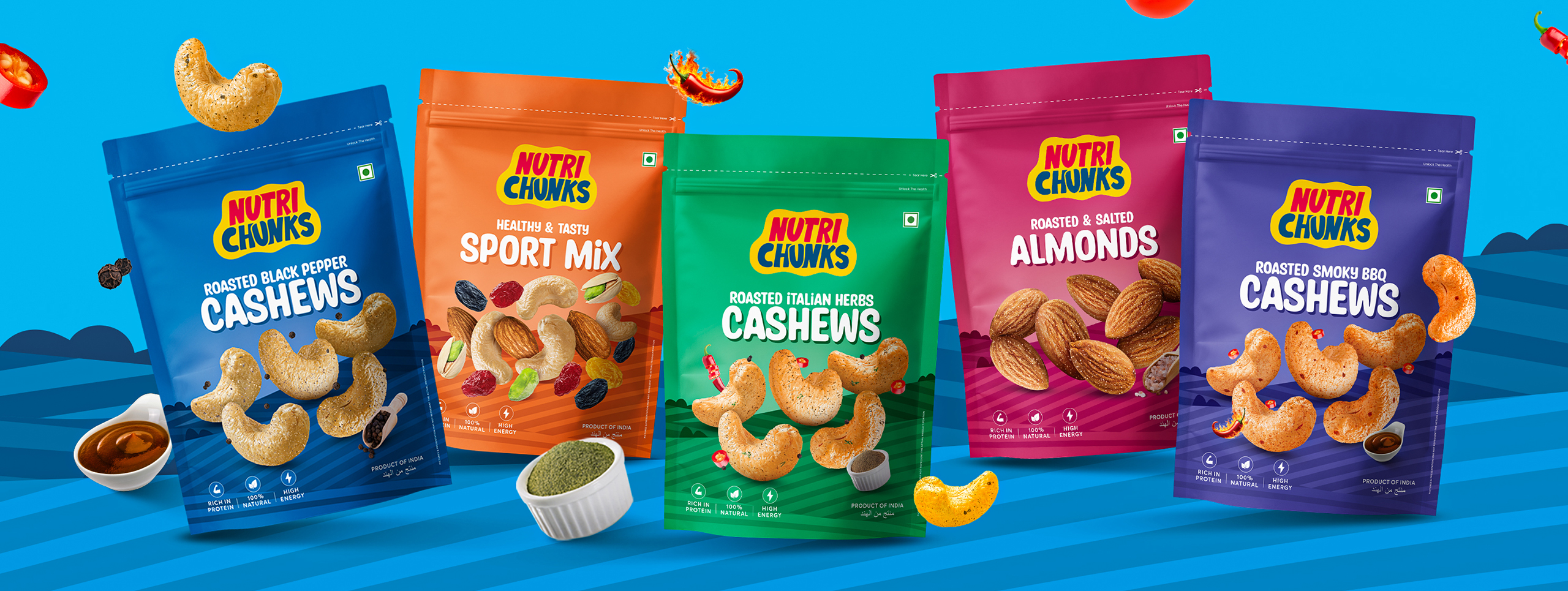
You could have an alternative logo version, a colour theme to switch between or a tone of voice that changes from website to website or printed marketing material. Sometimes the packaging is saying something completely different to the website. These are disconnects.
Signs Your Brand Is Inconsistent
Keep an eye out for mixed messages, contradictory product messages, inconsistent promises made in different channels or one employee selling a deal and another employee grumbling about it. Are your customers having trouble identifying your brand? Well, they could be in need of a few basic commandments.
What Consistency Protects
Yep, after a logo is in play it aids in recognition, it re-enforces expectations and can boost the credence of the message. Also, making the brand identity as clear as possible can assist other marketing staff – such as graphic designers, copy writers and sales people – with design ideas.
Confusion: When Nobody Knows What You Stand For
No one should have to wonder what you do or why it is important. Sharpen up your message, so it’s easier for the right people to see what’s in it for them.
Weak Brand Positioning
Your brand positioning is where you want to be in the minds of your audience. It is where you tell them who you serve, what you do and why you do it in a way that resonates with them. If you don’t do this you risk being in the space of ‘we all do the same thing’.
Muddled Brand Messaging
Your messages reveals your position in the words your audiences relate to. Constantly doing a different message with each campaign will make your message easy to lose. Take hold of a couple of your main messages and stick with them – tell them to your audiences as you were talking to them.
The Five-Second Test
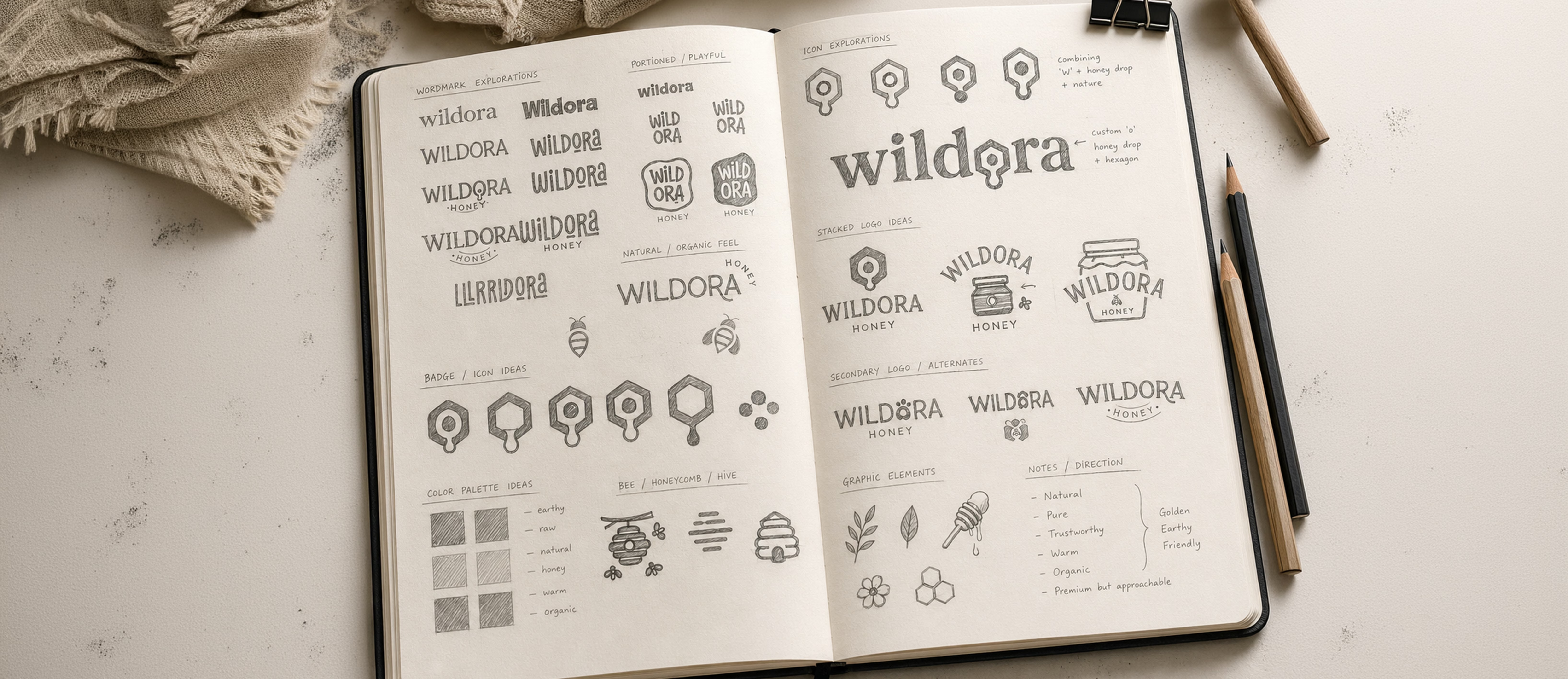
Put a stranger in front of your page or package for 5 seconds. Ask: What does the brand sell? Who it is for? What makes it different? Did they get it right? This quick 5 second test can show you if the basics are right or wrong! Share it with someone else too!
Trying to Appeal to Everyone: The Costliest Mistake
Of course, you’re trying to reach as many people as possible. However, if you try to be everything to everyone, then you will have a message that is everything to everyone that no one will understand it.
The Fear Behind It
Don’t give in to only targeting your ideal customers and ignoring the potential customers associated with other markets. Nope, you don’t need to ignore other potential markets and leave them out in the cold. You can have multiple markets.
Why Niche Marketing Wins
Niche marketing appeals to only one segment with the same needs and wants. It can make products and services, creative work, and the messages more relevant. Niche marketing can out-perform a larger approach with limited resources.

How to Define Your Target Audience
Begin with those who’ll benefit from what you have to offer. Investigate how others think and buy, what they care about, and what questions they ask. Read customer comments, as well as comments and conversations online, rather than assuming. Use this research to develop a good understanding of your customer, and to polish your approach along the way.
How Brand Strategy Fixes All Three
One good brand strategy ties together the company mission with what it actually sells and how it communicates with the world. It is guidance, not rules, for everyone in the organisation.
Build the Foundation
What is your one sentence of purpose, your values, your customer, your positioning, personality and hard messages. Convert them to easy-to-apply graphic and verbal guidelines. Make the framework simple enough so your team applies it to pack, web, campaigns and retail.
Keep It Alive
Track your brand as time goes on. Your product, channel mix and customer needs will change over time so revisit your messaging and content and ask yourself – does it still describe your proposition and does the customer experience align with the brand promise? Branding should be additive not subtractive.
Conclusion
Wise brands are made step by step through choices we make every day. Guard your branding and take ownership of your messaging and insights about your customers for increased visibility for your business.
We see branding at Richest Branding as more than just visual. It’s about establishing a identity and coherence that work in unison at every touch point.
Frequently Asked Questions (FAQs)
1. What is brand consistency and why does it matter?
You are consistent, ensuring your look, style and tone of voice on every platform to speak to your customers so they get to know you.
2. What are the most common branding mistakes?
Examples of; visual translated mixed up, dropped objects, bad position, mixed messages, designing not with the audience or business guides.
3. What is the difference between brand positioning and brand messaging?
Positioning: What you want your customer to think. Messaging: How you want to communicate your positioning to your customer through relevant clear language.
4. Why is trying to appeal to everyone bad for a brand?
Sending out a lot of messages is actually consciously unimportant. Send out focused contented on your target market and tailor them!
5. How often should I review my brand?
Check it from time to time as your customer, audience or offer is growing wonderful. Small checkups avoid disconnects.
6. How does brand strategy help a small business?
It inform design, communication and the customer experience so that relatively few resources are used to communicate a distinctive and compelling idea.