From Local Lab to Global Shelf: How Skincare Brands Build Premium Identity

The Skincare Market Is Booming. Why Are Most New Brands Failing?
India’s skincare market is on a trajectory that has global beauty investors paying close attention. Bengaluru alone has produced dozens of skincare startups in the last three years from ayurvedic formulations to Korean-inspired routines. And in the Gulf markets Dubai, Abu Dhabi, Oman, Saudi Arabia Indian-origin skincare brands are finding enthusiastic audiences hungry for authentic, natural products.
But here is the reality check: most of these brands fail not because their formulations are bad. They fail because their branding and packaging do not communicate the value that the product genuinely delivers. In a world where consumers judge your skincare brand by its jar before they ever feel the texture inside, your brand identity is your most important ingredient.

1. What Makes a Skincare Brand Feel Premium
Premium is not about price. Premium is a feeling and it is engineered through every visual and tactile element of your brand. From the color palette of your packaging to the weight of your box, from the typography on your label to the language of your tagline everything sends a signal to your consumer about what kind of brand you are.
The Premium Skincare Branding Checklist:
- Restrained, sophisticated color palette whites, creams, sage greens, deep blacks
- Clean, editorial typography no overcrowding, generous white space
- Material choices that communicate quality frosted glass, kraft, soft-touch lamination
- A brand story that is rooted in authenticity heritage, ingredients, or philosophy
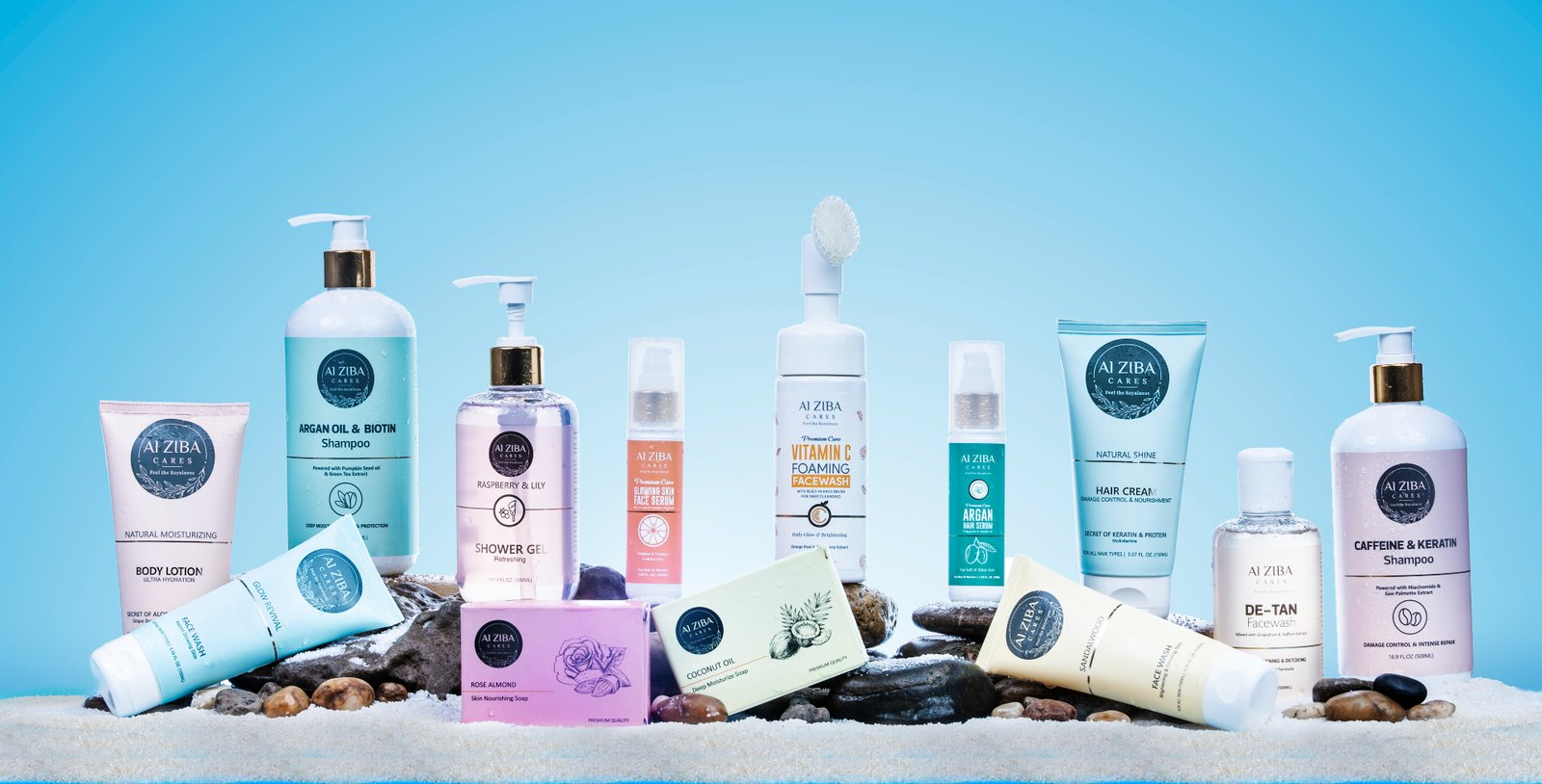
- Consistent identity across all SKUs unity creates trust and shelf presence
2. The Ingredient Story: Your Most Powerful Brand Asset
Skincare consumers today are ingredient literate. They research hyaluronic acid, niacinamide, and bakuchiol before purchasing. For Indian skincare brands, there is a golden opportunity to lead with the power of heritage ingredients turmeric, saffron, ashwagandha, sandalwood and position them within a modern, premium brand narrative.
This is exactly the space where Indian skincare brands can out brand and out story their Western competitors in markets like Dubai and Singapore. The authenticity of Indian Ayurveda, packaged with world class design sensibility, is a compelling proposition that resonates powerfully.
At Richest Branding, we helped build exactly this narrative for a skincare brand targeting the Gulf market rooting the brand in time tested Indian botanical wisdom while giving it a packaging identity that looked at home next to premium European and Korean brands.

3. Packaging Strategy for Skincare: Function Meets Emotion
Skincare packaging must solve two things simultaneously: protect and communicate. The structural engineering of your pack the pump mechanism, the airless bottle, the dropper is as much a brand statement as the label design. Consumers notice when a pump is cheap. They feel the difference between a light, flimsy cap and a weighted, satisfying one.
This is why at Richest Branding, our packaging strategy process for skincare always begins with the unboxing experience. How does it feel to open this product for the first time? What does the consumer see, touch, and feel before the product even reaches their skin? These moments of tactile brand experience drive reviews, social sharing, and repeat purchases more than any ad campaign.
4. Building for International Markets: What Dubai and Singapore Expect
If you are a skincare brand with ambitions beyond India and many Bengaluru and Mumbai brands absolutely should be the design bar is higher. Retail buyers in Dubai and Singapore evaluate packaging with the same rigour as a premium fashion buyer. Poor packaging, regardless of formulation quality, will not make it to the shelf.
- Regulatory compliance must be built into label design from day one
- Language hierarchy must work across English and Arabic markets
- Premium retailers in UAE require specific packaging formats and minimum quality standards
- Culturally sensitive imagery and color choices matter across different markets
5. Logo Design for Skincare Brands: Less Is More
A skincare logo must do something that logos in other categories do not always need to do it must feel trustworthy enough to put on your face. Skincare consumers make intimate decisions. They are trusting your brand with their skin. Your logo must reflect that seriousness.
Avoid overly complex logos, loud color marks, or playful design approaches unless your brand is specifically positioned as a playful, Gen Z skincare brand. For most skincare brands targeting quality conscious consumers in Bengaluru, Mumbai, Dubai, or Oman, the logo should feel refined, intentional, and timeless.
6. Rebranding a Skincare Brand: When Is It Time?
Many established skincare brands in India reach a point where their original packaging designed on a lean budget in the early days has become a liability. The brand has outgrown its identity. The product quality is there, the customer base is growing, but the packaging is holding the brand back from premium placements and premium price points.
This is one of the most exciting projects we take on at Richest Branding. A well-executed skincare rebrand does not lose existing customers it retains them and dramatically elevates the brand’s ability to attract new, higher value customers. The key is strategic continuity: evolving the brand without abandoning its core equity.
Ready to Build a Brand That Builds Empires?
Strategy • Design • Impact
richestbranding.com | info@richestbranding.com
Richest Branding — Strategic Branding that Builds Empires