
Why Your D2C Skincare Brand Isn’t Converting And How to Fix It.
June 6, 2026Your formulation is excellent. Your ingredients are sourced. Your founder story is real. So why is your D2C skincare brand not converting the way it should?
In most cases, the product is not the problem. The brand is. When a customer cannot smell, touch, or try your serum before she spends five hundred to five thousand rupees on it, the brand has to do the work the product cannot do until after the sale. And most D2C skincare founders in India are underinvesting in exactly that.
This guide breaks down the five brand signals your customer is reading before she clicks buy and what you can do to make sure each one works in your favour. Want us to audit your brand? Talk to the Richest Branding team.
The Real Reason D2C Skincare Brands Lose Sales Before the First Purchase
India’s D2C beauty and personal care market is estimated at $4.09 billion in 2025, growing at a projected 36.4% CAGR through 2032. The opportunity is enormous. So is the competition. At 11 PM on a phone screen, your customer is choosing between twelve serums that all claim to brighten, hydrate, or repair. She cannot try any of them. What she is actually doing is evaluating trust.
Trust is not a feeling that arrives fully formed. It is assembled from dozens of brand signals some visible, some almost invisible that your customer processes in under eight seconds. The quality of your photography. The confidence of your typography. Whether your founder seems like a real person with real expertise. Whether your packaging looks like it belongs next to the brands she already buys.
Get those signals right and she converts. Get them wrong and she moves on, often without being able to explain exactly why.
Signal 1: Your Product Photography Is Either Building Trust or Destroying It
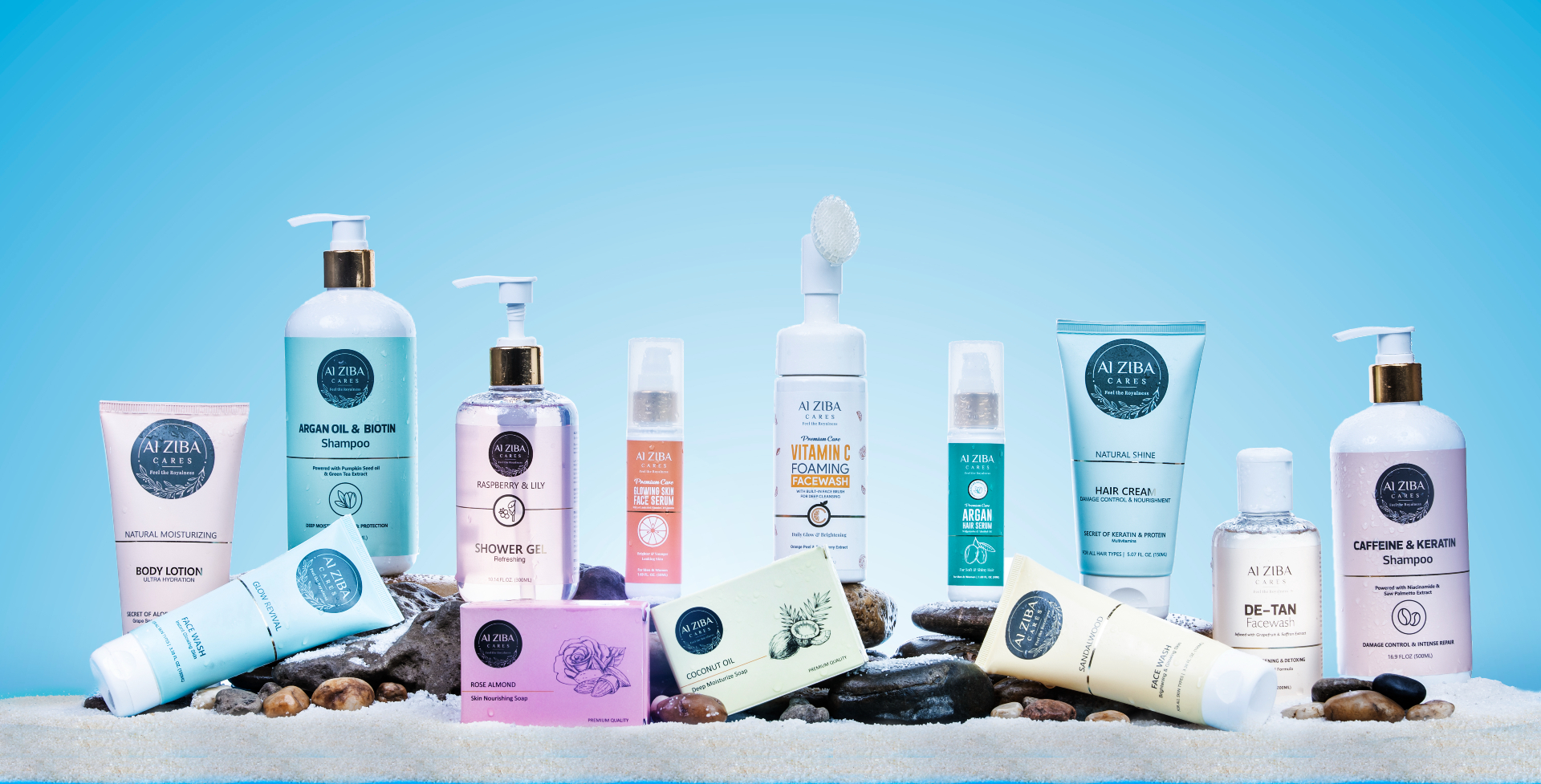
In physical retail, your customer picks the bottle up. In D2C, the photograph IS the bottle. It has to communicate weight, texture, material quality, and brand personality simultaneously, in a thumbnail.
A skincare brand with genuinely premium packaging and standard photography is invisible in the D2C channel. The customer sees the image and makes a price-tier judgment in under a second. If the photograph does not communicate premium, the formulation does not get the chance to.
What great D2C skincare photography actually does:
- Shows how the product will feel to hold light catching the glass, texture visible through the dropper
- Keeps label typography crisp and legible at thumbnail size
- Communicates a consistent mood that matches the rest of the brand identity
- Makes the product look worth what you are charging for it
This is not a small detail. It is the first and loudest trust signal in your most important selling environment.
Signal 2: Your Brand Packaging Design Sends a Message Before She Reads a Word
Packaging is not just a container. For a D2C skincare brand, it is the first physical interaction your customer has with your brand and if the unboxing moment does not match the expectation set online, that gap is trust-destroying.
The D2C skincare brands that build genuine brand equity understand that packaging operates on two levels. First, the brand communication level: what does the label, the typography, the material, and the colour palette say about who this brand is and who it is for? Second, the unboxing level: when the parcel arrives, does the experience surprise her with quality and intention?
Why the unboxing moment is your highest-leverage brand investment:
When the unboxing is genuinely memorable, she photographs it. She shares it. She tells her friend. That organic recommendation is worth more than any paid media spend. The brands that understand this design the unboxing moment as deliberately as they design the product label the outer box, the way the product sits inside, the tissue, the card. Every element is a brand decision.
At Richest Branding, we design D2C skincare packaging with the unboxing brief at the centre, not as an afterthought.
Signal 3: Ingredient Transparency Is Now a Trust Baseline, Not a Differentiator
The modern skincare consumer knows her actives. She knows the difference between niacinamide and kojic acid. She knows what percentage of retinol is considered effective. She knows that fragrance-free and unscented are not the same thing.
A brand that communicates ingredient information with the same depth the customer is bringing to her research builds instant credibility. One that buries ingredients in small print on the back label signals that there is something to hide even when there is not.
What ingredient transparency looks like as a brand pillar:
- Hero active front and centre on the packaging not hidden in the INCI list
- Percentage callouts on the label where relevant
- Full formulation rationale on the product page, not just a benefits summary
- The founder explaining the ingredient logic on Instagram or YouTube
Each of these signals communicates the same thing: this brand has nothing to hide and everything to be proud of. That is the foundation of D2C skincare brand trust. Minimalist built a brand worth ₹2,955 crore acquired by HUL in early 2025 on exactly this principle.
Want to make ingredient transparency a core part of your brand identity? Visit our services for your packaging and brand strategy.
Signal 4: The Founder Story Is Not a Nice-to-Have – It’s the Reason She Chooses You Over the Shelf
The skincare consumer who shops D2C is specifically looking for something the supermarket shelf cannot give her: a brand she can believe in. She wants to know who made this, why they made it, and what they were trying to solve before they realised it was a problem for everyone like her.
A founder story that is honest and specific builds more trust than any clinical claim on the label. It does not need to be dramatic. It needs to be real.
The Bengaluru software engineer who developed a turmeric and niacinamide formulation for her own hyperpigmentation. The Ayurvedic practitioner from Kerala who refined an herbal formulation over twenty years before sharing it. The mother who could not find a fragrance-free moisturiser gentle enough for her daughter’s eczema made one herself.
These are not marketing stories. They are the reason someone trusts a brand they have never touched and the reason they come back.
How to build the founder story into your brand identity:
- Give it a dedicated section on your website not a footer bio, a real narrative
- Let it inform the tone of every piece of brand communication
- Make it consistent across Instagram, email, packaging inserts, and the website
- Be specific. Vague claims about “passion for skincare” convert no one. Specific details the problem, the journey, the moment of breakthrough do
Signal 5: Brand Consistency Is the One Thing Most D2C Skincare Brands Get Wrong
You can get every other signal right and still lose the trust calculation if your brand is inconsistent across touchpoints.
A beautifully packaged product whose Instagram looks like it was designed by a different team creates a gap. The customer notices she may not be able to articulate it, but she senses that something is off. And a brand that is not in full control of its own identity is harder to trust with what goes on your skin.
Every touchpoint in your D2C customer journey is a brand moment: the product label, the packaging, the website, the Instagram feed, the email confirmation, the shipping box. Inconsistency anywhere in that chain erodes the trust that the brand has been carefully building everywhere else.
The consistency checklist for D2C skincare brands:
- Typography and colour palette applied uniformly across print and digital
- Photography style and art direction consistent across product and lifestyle imagery
- Tone of voice identical whether you are writing a product description, a shipping notification, or an Instagram caption
- Packaging design language visible and recognisable on the website and in feed content
Build the brand fully. Not just the bottle.
How Richest Branding Approaches D2C Skincare Brand Trust
At Richest Branding, we work with skincare founders across Bengaluru, Mumbai, Pune, Delhi, Dubai, and Singapore who have extraordinary formulations and ask us the same question: why are people not converting?
Almost always, the answer lives in the brand experience not the product chemistry.
We design D2C skincare brands with trust as the primary brief. That means photography direction, packaging design, founder story articulation, ingredient communication architecture, and brand consistency across every touchpoint. Not just a logo and a label.
Because when your customer cannot touch the product before she buys it, the brand does all the work. It has to be built to do exactly that.
What to Do Next If Your D2C Skincare Brand Isn’t Converting
The five trust signals above photography, packaging, ingredient transparency, founder story, and brand consistency are not independent. They work together as a system. A gap in any one of them weakens the others.
If your formulation is strong but your conversion rate is not, the single most effective thing you can do is audit your brand experience against each of these signals. Be honest about where the gaps are. Then close them deliberately, not incrementally.
The brands that win in India’s D2C skincare market in 2025 and beyond are not the ones with the best ingredients. They are the ones with the strongest, most consistent brand trust signal at every point in the customer journey.
Ready to build a D2C skincare brand that earns trust before the first purchase? Talk to Richest Branding.
Frequently Asked Questions
1. How do D2C skincare brands build trust without physical retail?
Through brand identity design, product photography, ingredient transparency, founder storytelling, and unboxing experience each of which replaces the trust signals that physical retail provides through touch and trial.
2. What is the most important trust signal for a D2C skincare brand?
Consistency. A brand that looks and communicates identically across packaging, Instagram, website, and email is the brand that feels in control and therefore safe to buy from.
3. Why is ingredient transparency important for skincare brands in India?
The modern Indian skincare consumer is formulation-literate. She knows her actives. Brands that communicate ingredient rationale clearly signal competence and honesty both of which build purchasing confidence.
4. How does packaging design affect D2C skincare conversion rates?
Packaging is the product in a D2C context. Poor packaging signals poor product, regardless of the formulation inside. Packaging that matches the premium positioning of the brand and delivers a memorable unboxing moment builds the post-purchase confidence that drives reviews and referrals.

