Why Your Restaurant Brand Is Either Filling Tables or Emptying Them
Food is Abundant in Bengaluru and Pune. Great Restaurant Brands Are Still Rare.
Bengaluru’s Indiranagar and Koramangala have more restaurants per square kilometre than almost anywhere in India. Pune’s Koregaon Park and Baner corridors are no different. Both cities have seen an extraordinary explosion of food and beverage establishments from cloud kitchens to fine dining, from artisanal cafes to QSR chains.
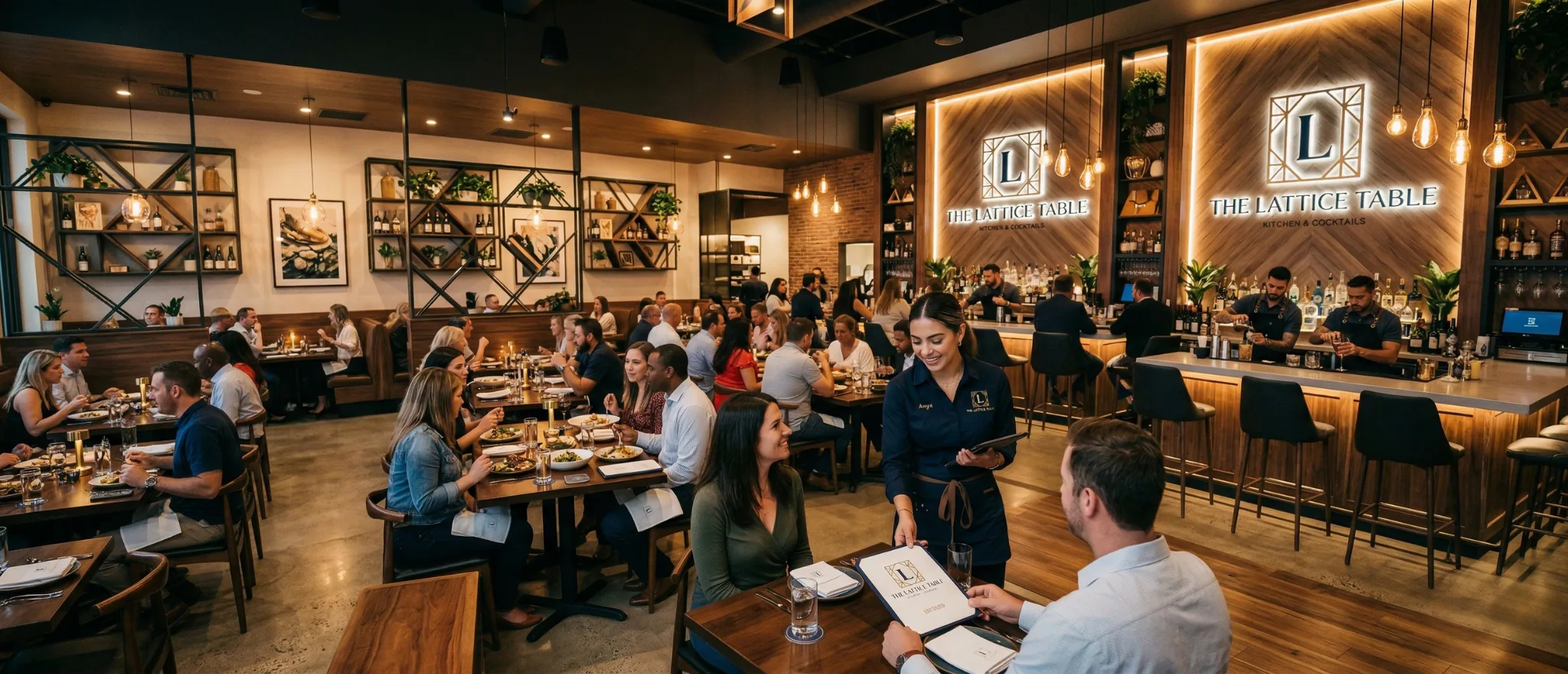
And yet, walk through either neighbourhood and ask yourself: which of these restaurants has a brand? Not just a name. Not just a logo. A brand a clear identity, a consistent experience, a reason to choose and return that goes beyond the food itself. The honest answer is: very few. Most restaurants in India’s fastest growing food cities compete on food quality alone, without the brand scaffolding that turns great food businesses into great food brands.
At Richest Branding, the pattern is always the same: the businesses that invest in brand identity early grow faster, fill tables more consistently, and build the customer loyalty that word of mouth amplifies. The ones that treat branding as an afterthought compete on price, struggle for differentiation, and churn customers in the most crowded dining market in the world.
1. What Restaurant Branding Actually Means Beyond the Logo on the Menu
Restaurant branding is the complete sensory and emotional experience of your establishment everything a guest encounters from the moment they discover you online to the moment they step back onto the street after their meal. The logo is one small element. The brand is everything.
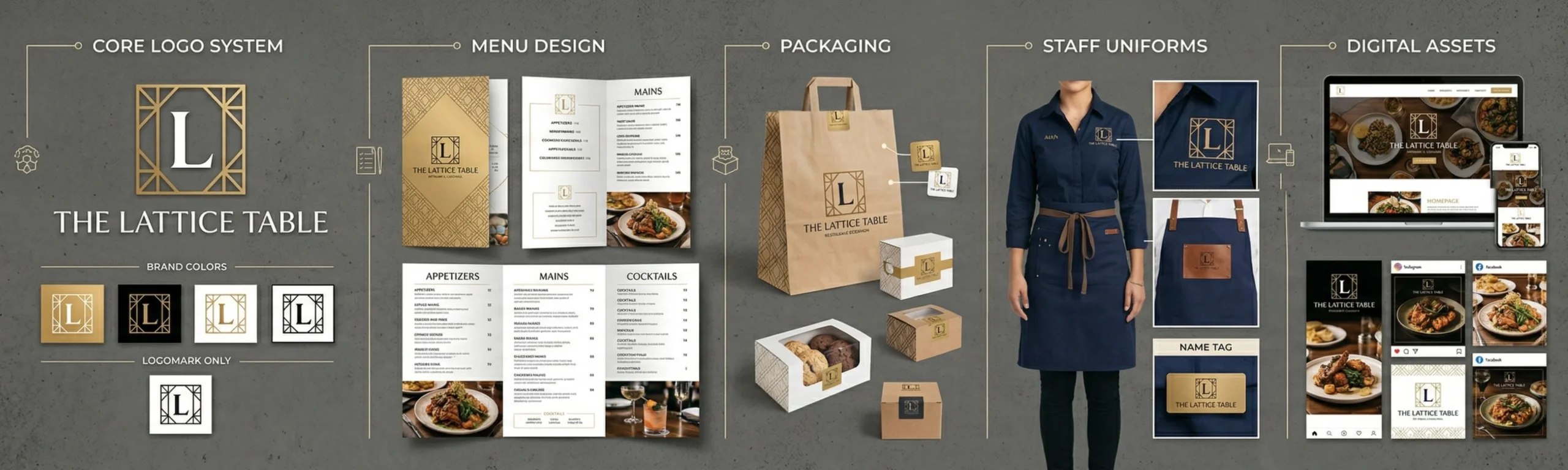
The complete restaurant brand experience:
- Name and logo the first point of recognition and recall
- Interior design the physical world the brand lives in
- Menu design a brand touchpoint guests hold in their hands for ten minutes
- Staff presentation uniform design, language, and service style as brand expression
- Packaging takeaway bags, boxes, and cups that carry the brand into the world
- Digital presence website, Instagram, Zomato, Swiggy profiles, and Google listing
- Brand voice personality expressed through copy, captions, and guest communication
2. The 60-Second Judgement How Guests Decide Before They Sit Down
Research into dining behaviour consistently shows that a guest’s perception of a restaurant’s quality is largely formed within sixty seconds of arrival. The visual impression of the exterior, the greeting, the interior design, and the menu design together create an immediate perception that the food then either confirms or fails to live up to.
A restaurant with exceptional food but weak brand design systematically undervalues its own offering. Guests arrive with calibrated-down expectations and, even when the food exceeds them, the experience feels like a pleasant surprise rather than a premium one. Premium experiences command premium prices, repeat visits, and five-star reviews.
3. The Bengaluru Food Brand Opportunity Premium Positioning in a Sophisticated Market
Bengaluru’s dining consumer is arguably the most brand-literate in India outside Mumbai. The city’s tech workforce consumer base internationally travelled, globally culturally aware, accustomed to paying for quality experiences is deeply attuned to brand signals. They know what a well branded restaurant feels like, and they actively seek it out.
A Bengaluru cafe or restaurant that positions itself with the same visual rigour as the city’s best international food brands does not just attract more customers it attracts better customers, who pay more, return more often, and bring more people with them.
4. Social Media Branding for Restaurants Designing for the Feed and the Table
In 2026, a restaurant’s Instagram presence is as important as its physical presence. For food businesses in Bengaluru and Pune, the discovery journey almost always begins with a scroll a friend’s tagged post, a food blogger’s reel, or a sponsored discovery. The visual identity must perform in the digital environment with the same power it performs physically.
Designing a restaurant brand for social media impact:
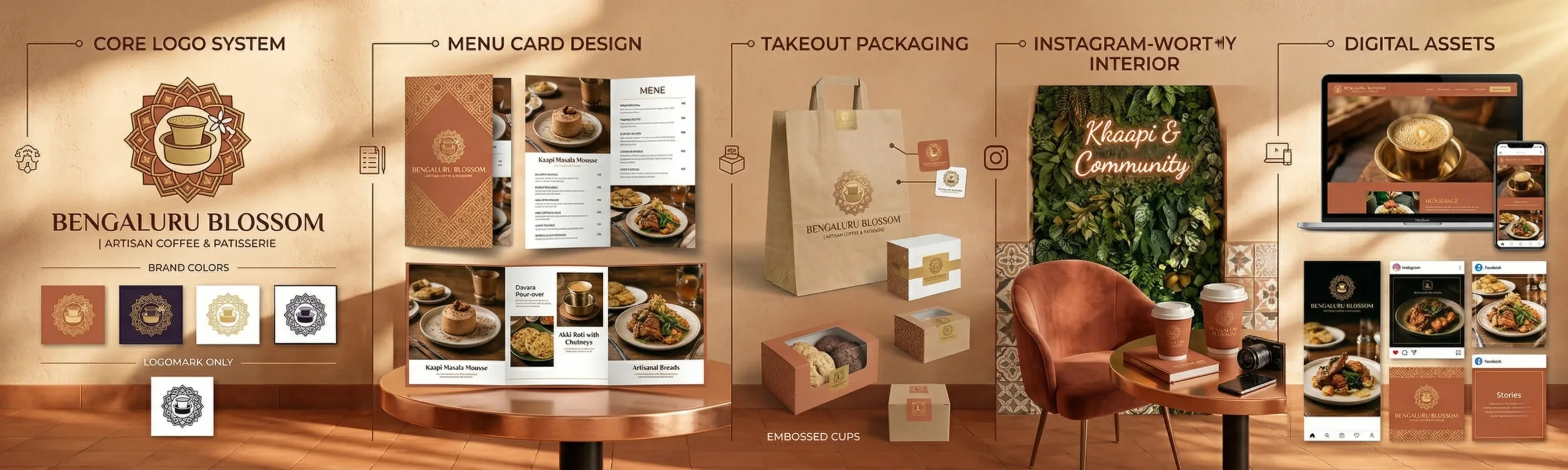
- A signature visual element colour, pattern, or motif that appears in every photo
- Instagrammable interior moments a wall, light installation, or view that guests seek out
- Branded packaging that photographs beautifully and tags the restaurant when shared
- A consistent visual grid strategy for the restaurant’s own Instagram presence
5. Franchise Ready Branding Building for the First Location with the Tenth in Mind
One of the most valuable things a restaurant brand investment does is franchise readiness. A brand with strong guidelines, a clear visual system, and documented brand standards is infinitely easier to franchise than one that relies on the founder’s intuition. For ambitious food entrepreneurs in Bengaluru and Pune, building the brand right the first time is the most important decision they make.
6. The Richest Branding Approach to Food Service Identity
When we build restaurant and food service brands, we begin with the experience not the visual. We map every touchpoint a guest encounters and design the brand system to perform at each one. The logo, colours, typography, interior direction, packaging architecture, and digital identity are designed as a single cohesive system.
The result is not just a restaurant that looks good. It is a restaurant that feels like a brand one that guests return to, recommend enthusiastically, photograph and share instinctively, and remember long after the meal. Because the best food businesses are not remembered for what they served. They are remembered for how they made guests feel. That feeling is brand.
Ready to Build a Brand That Builds Empires?
Strategy • Design • Impact
richestbranding.com | info@richestbranding.com
Richest Branding — Strategic Branding that Builds Empires